Darkness seeps in with every whimper.
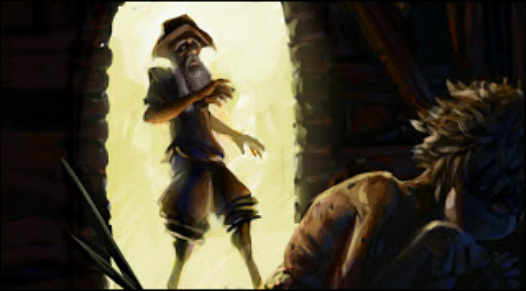
Tired and caged. He shrivels like a stick
Wondering when, wondering why
the dust swirls so harshly
*
The children eye him in realization,
as they feed on his agony.
The more his life is meaningless,
the more their lives are meaningful
*
Their fangs seep into his skull
Draining him of his humanity
so that their lives will be like God’s
Devils disguised as Angels
*
So long as they thrive, he will suffer.
Like water, he is their survival
Like fire, they are his demise
He must face Darkness so that they thrive in Light
*
He is risen, he is King, hail the Messiah!
The Light within their Blight
Even the most innocent-looking are sinners.
The clock strikes three as the cross rises
*
He is untouchable,
his presence so life-threatening,
but he is their savior.
He is their awakening.
*
He has made their lives perfect
at the expense of his sacrifice.
Like Judas’ kiss, they loved him
but only so that they can live
*
But he is not alone.
The last breath has been uttered
At last, he has found rest, along with the ones
who walk away from Omelas.
Speaker: An observer of the people in Omelas
Audience: The people in Omelas/ people who knowingly cause suffering of other people(I guess)/ people who are witnessing the little boy’s death(up to the reader’s interpretation honestly)
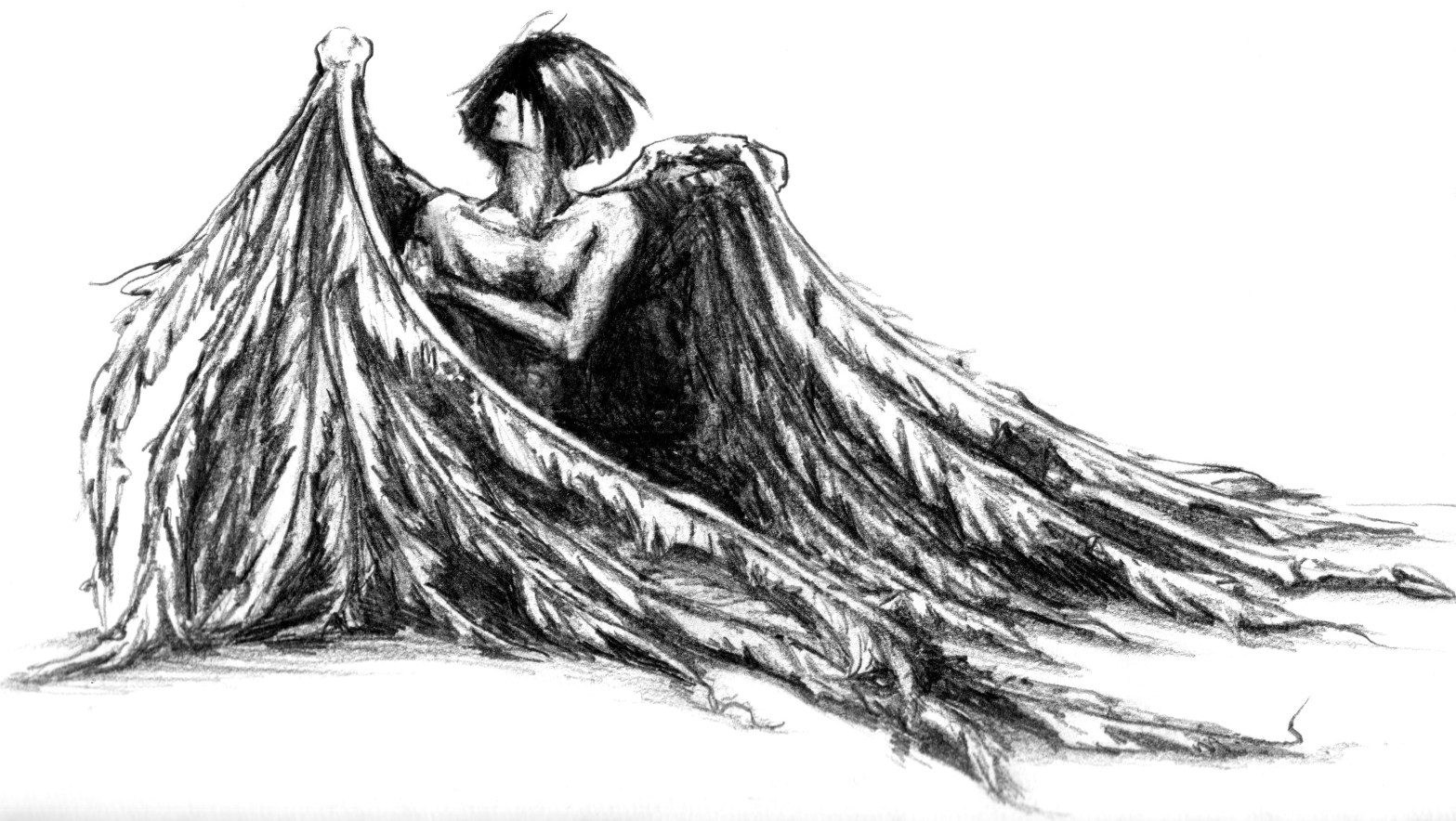
Situation: The little boy who is tortured at the beginning is metaphorically hung up on a cross and dies at the end of the poem.
Shift: The fifth stanza, where it alludes to Jesus Christ
Tone: Direct
Mood: Grave
Thesis:
Although the helpless little boy is condemned by the people in Ursula K. Le Guin’s “The Ones Who Walk Away from Omelas”, he is portrayed as the vessel that delivers prosperity to them in exchange for his suffering, alluding to the foreboding sacrifice of Jesus Christ.




 Theresa's Literature Blog